Best Foods to Help You Sleep Better at Night (Science-Backed 2026)
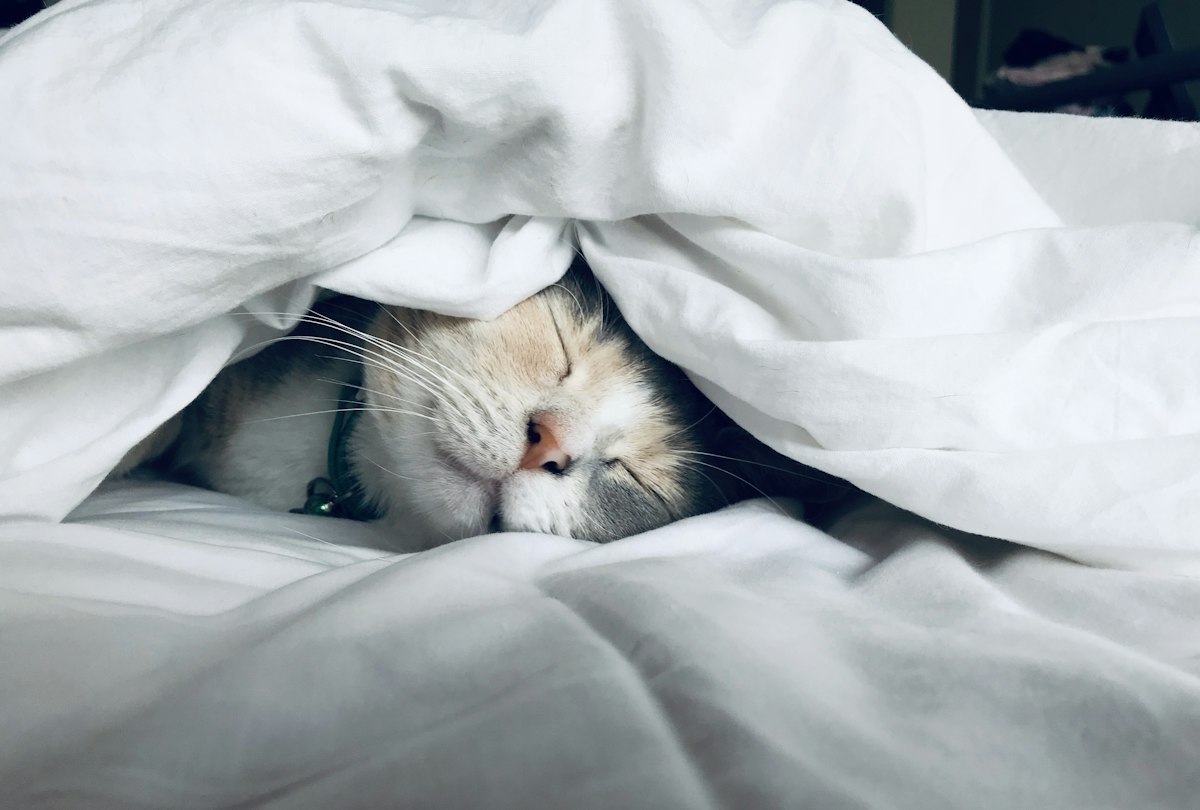
One in three adults don't get enough sleep. Before reaching for melatonin supplements, consider this: specific foods contain compounds that naturally boost sleep hormones and calm the nervous system. Here's what the science actually says about eating your way to better sleep.
How Food Affects Sleep
Sleep quality is largely governed by three compounds: melatonin (the sleep hormone), serotonin (melatonin's precursor), and GABA (a calming neurotransmitter). Tryptophan — an amino acid found in food — is the raw material your brain uses to make both serotonin and melatonin. Magnesium and glycine also play critical roles in sleep onset and quality. The foods below provide these compounds in clinically meaningful amounts.
The 9 Best Sleep-Supporting Foods
1. Tart Cherries
Tart cherries are one of the only foods that contain meaningful amounts of melatonin (13.5 nanograms per gram). Two studies from Louisiana State University found that 240ml of tart cherry juice twice daily increased sleep time by 84 minutes and improved sleep efficiency. Available as juice, concentrate, or frozen cherries year-round.
2. Kiwi Fruit
A landmark 4-week study found that eating two kiwis one hour before bed reduced time to fall asleep by 35% and increased total sleep time by 13%. Kiwis are uniquely rich in serotonin (which crosses the blood-brain barrier) plus folate deficiency — linked to insomnia — is corrected by regular kiwi consumption.
3. Almonds
A 28g serving of almonds provides 77mg of magnesium — a mineral that over half of adults are deficient in. Magnesium activates the parasympathetic nervous system (rest and digest mode) and regulates GABA receptors. Almonds also contain melatonin. A small handful 1–2 hours before bed is the practical recommendation.
4. Turkey
Turkey's association with post-Thanksgiving drowsiness is actually pharmacologically sound. It contains high amounts of tryptophan — the amino acid precursor to serotonin and melatonin. A light turkey-based dinner (with some carbohydrates to facilitate tryptophan transport across the blood-brain barrier) promotes sleep onset.
5. Bananas
A ripe banana before bed provides tryptophan, magnesium (27mg), and potassium — all linked to better sleep. The natural sugars also help tryptophan cross the blood-brain barrier more efficiently. Bananas additionally contain dopamine precursors that help regulate the sleep-wake cycle. Best eaten slightly ripe, 1 hour before sleep.
6. Plain Yogurt
Dairy products are rich in tryptophan and calcium — calcium helps the brain use tryptophan to produce melatonin. Plain yogurt additionally provides probiotics: emerging research shows the gut-brain axis directly influences sleep quality via serotonin production (95% of serotonin is made in the gut). Choose full-fat, plain, unsweetened.
7. Fatty Fish (especially at dinner)
A study in the Journal of Clinical Sleep Medicine found that eating Atlantic salmon three times per week improved sleep quality and daytime functioning compared to chicken or pork. The omega-3s and vitamin D in fatty fish regulate serotonin production. Fish is also rich in glycine — an amino acid shown to improve sleep quality by lowering core body temperature.
8. Chamomile Tea
Chamomile contains apigenin — a flavonoid that binds to GABA-A receptors in the brain, producing a mild sedative effect similar to (but much weaker than) benzodiazepines. A randomized trial found chamomile extract significantly improved sleep quality and reduced nighttime awakening. One cup of strong chamomile tea 45 minutes before bed is the standard recommendation.
9. Oatmeal
Oats contain melatonin and tryptophan, but their real sleep benefit comes from their complex carbohydrate structure. A small carbohydrate-rich meal 2–3 hours before bed raises insulin levels slightly, which helps clear competing amino acids from the bloodstream — allowing tryptophan to cross the blood-brain barrier more easily. Avoid sugary instant oats.
⏰ Optimal Eating Timing for Sleep
⚠️ Foods That Wreck Sleep
- Caffeine after 2pm — half-life of 5–7 hours means evening coffee is still active at midnight
- Alcohol — helps you fall asleep but fragments REM sleep in the second half of the night
- High-fat meals within 3 hours of bed — delay gastric emptying and disrupt sleep
- Spicy food late at night — raises core body temperature, which impairs sleep onset
- High-sugar snacks — cause blood sugar spikes and crashes that wake you up at 3am
⚕️ For informational purposes only. If you experience chronic insomnia, consult a healthcare professional.