What to Eat When You Have High Blood Pressure (10 Best Foods)
Nearly 1.3 billion people worldwide have high blood pressure — yet dietary changes alone can lower systolic blood pressure by 8–14 mmHg, comparable to many medications. The key is knowing exactly which foods to eat more of, and which to cut back on.
Understanding Your Blood Pressure Numbers
If your readings fall in the elevated or high range, diet is the first line of intervention recommended by the American Heart Association — before medication in many cases.
The 10 Best Foods for High Blood Pressure
1. Bananas
Potassium directly counteracts the blood pressure-raising effects of sodium. It helps your kidneys flush out excess sodium through urine and relaxes blood vessel walls. Most adults need 4,700mg of potassium daily — far more than the average person gets. One banana provides about 9% of that target. Other excellent sources: sweet potatoes (694mg), avocado (708mg), and spinach (840mg per cooked cup).
2. Leafy Greens (Spinach, Kale, Arugula)
Dark leafy greens are extraordinarily rich in dietary nitrates, which your body converts to nitric oxide — a molecule that relaxes and widens blood vessels, directly lowering blood pressure. A landmark study found that drinking 250ml of spinach soup daily reduced systolic blood pressure by 4 mmHg within one week. Aim for at least one large handful of leafy greens daily.
3. Berries
Blueberries, strawberries, and raspberries are rich in flavonoids — particularly anthocyanins — that improve the function of endothelial cells lining blood vessel walls. A Harvard study following 87,000 women over 14 years found that those with the highest berry consumption had a 32% lower risk of heart attack. Just ½ cup of mixed berries daily produced measurable blood pressure improvements in 8 weeks.
4. Pumpkin Seeds
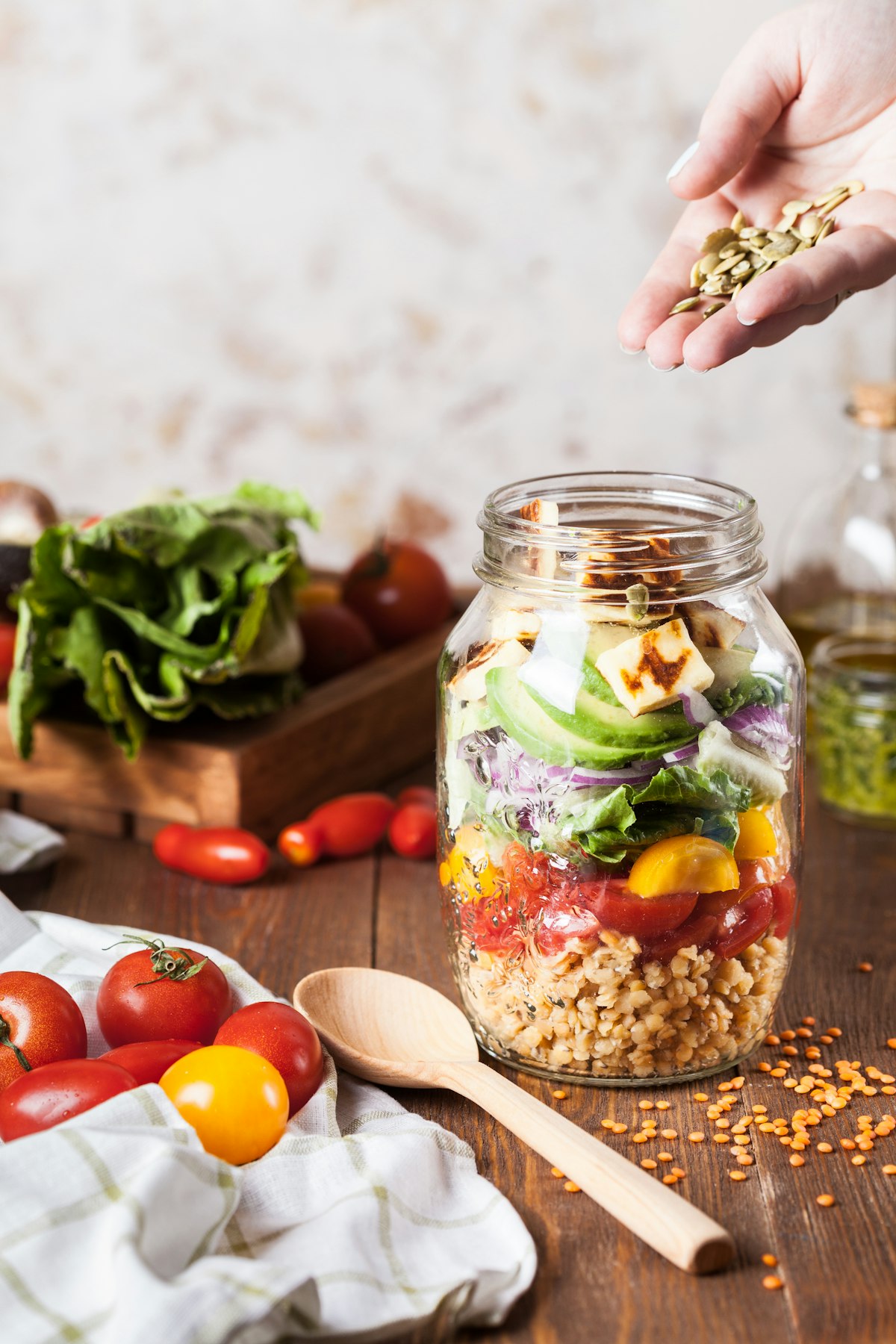
One of the most concentrated sources of potassium, magnesium, and arginine (an amino acid precursor to nitric oxide). Just 28g of pumpkin seeds provides 18% of your daily magnesium — a mineral that nearly half of Americans are deficient in, and whose deficiency is directly linked to hypertension. Sprinkle on salads, oatmeal, or eat as a snack.
5. Fatty Fish
Omega-3 fatty acids EPA and DHA reduce blood pressure through multiple mechanisms: they lower triglycerides, reduce arterial stiffness, and decrease the production of substances that constrict blood vessels. A meta-analysis of 70 randomized trials found that fish oil supplementation reduced systolic blood pressure by an average of 4.5 mmHg. Two servings of salmon, mackerel, or sardines per week achieves this naturally.
6. Garlic
Garlic's allicin stimulates the production of hydrogen sulfide and nitric oxide in the body, both of which relax blood vessel walls. A 2023 meta-analysis of 12 randomized controlled trials found that garlic supplementation reduced systolic blood pressure by 8.3 mmHg and diastolic by 5.5 mmHg on average — comparable to first-line antihypertensive medications for mild hypertension.
7. Unsalted Nuts (Especially Pistachios)
Pistachios have the strongest evidence among nuts for blood pressure reduction. A Penn State study found that eating 1.5 oz of pistachios daily reduced systolic blood pressure by 4.8 mmHg during stress. Crucially, they must be unsalted — salted nuts will work against your goals. Almonds and walnuts are also beneficial.
8. Lentils & Beans
Legumes are triple threats for blood pressure: high in potassium, magnesium, AND fiber. The Canadian Lentil Clinical Trial found that eating one cup of lentils daily for 3 months reduced systolic blood pressure by 6.6 mmHg. They also stabilize blood sugar, preventing the insulin spikes that contribute to hypertension over time. Cheap, versatile, and extraordinarily effective.
9. Low-Fat Yogurt
The DASH diet's inclusion of low-fat dairy is well-supported by evidence. Yogurt, in particular, contains bioactive peptides formed during fermentation that act as natural ACE inhibitors — the same mechanism as a class of blood pressure medications. A meta-analysis found yogurt consumption associated with a 6% lower risk of hypertension. Choose plain, unsweetened versions.
10. Beetroot
Beetroot has the highest dietary nitrate content of any vegetable. A 2015 study published in Hypertension found that drinking 250ml of beetroot juice daily reduced systolic blood pressure by 8 mmHg within 4 weeks in hypertensive patients. The effect is most pronounced 2–3 hours after consumption. Beetroot juice, roasted beets, or beetroot powder all work.
📋 The DASH Diet — The Gold Standard
The Dietary Approaches to Stop Hypertension (DASH) diet was specifically designed to lower blood pressure and is endorsed by the AHA, WHO, and most national health bodies. It emphasizes: fruits, vegetables, whole grains, legumes, low-fat dairy, lean protein, and nuts — while limiting sodium to 1,500–2,300mg daily, red meat, sweets, and sugary drinks. Clinical trials show DASH can lower systolic BP by 8–14 mmHg — as effective as one antihypertensive drug.
⚠️ What to Avoid
- Excess sodium — aim for under 2,300mg/day (1 teaspoon of salt). Processed foods are the biggest culprit.
- Alcohol — more than 1 drink/day raises blood pressure. Even moderate drinking has measurable effects.
- Caffeine — temporarily spikes blood pressure. Limit to 1–2 cups of coffee for hypertensive individuals.
- Processed meats — bacon, deli meats, hot dogs are very high in sodium and linked to hypertension.
- Added sugars — particularly fructose, which raises blood pressure through several mechanisms.
The Bottom Line
High blood pressure is not something you have to simply medicate and accept. Diet has been shown — repeatedly, in rigorous clinical trials — to produce blood pressure reductions comparable to first-line medications, without the side effects. The 10 foods above are your starting point. Pair them with reduced sodium, regular movement, and stress management for the greatest effect.
⚕️ This article is for informational purposes only. High blood pressure is a serious medical condition — please consult your doctor before making changes to your diet or medication.