10 Foods That Help Your Liver Detox Naturally (Science-Backed 2026)
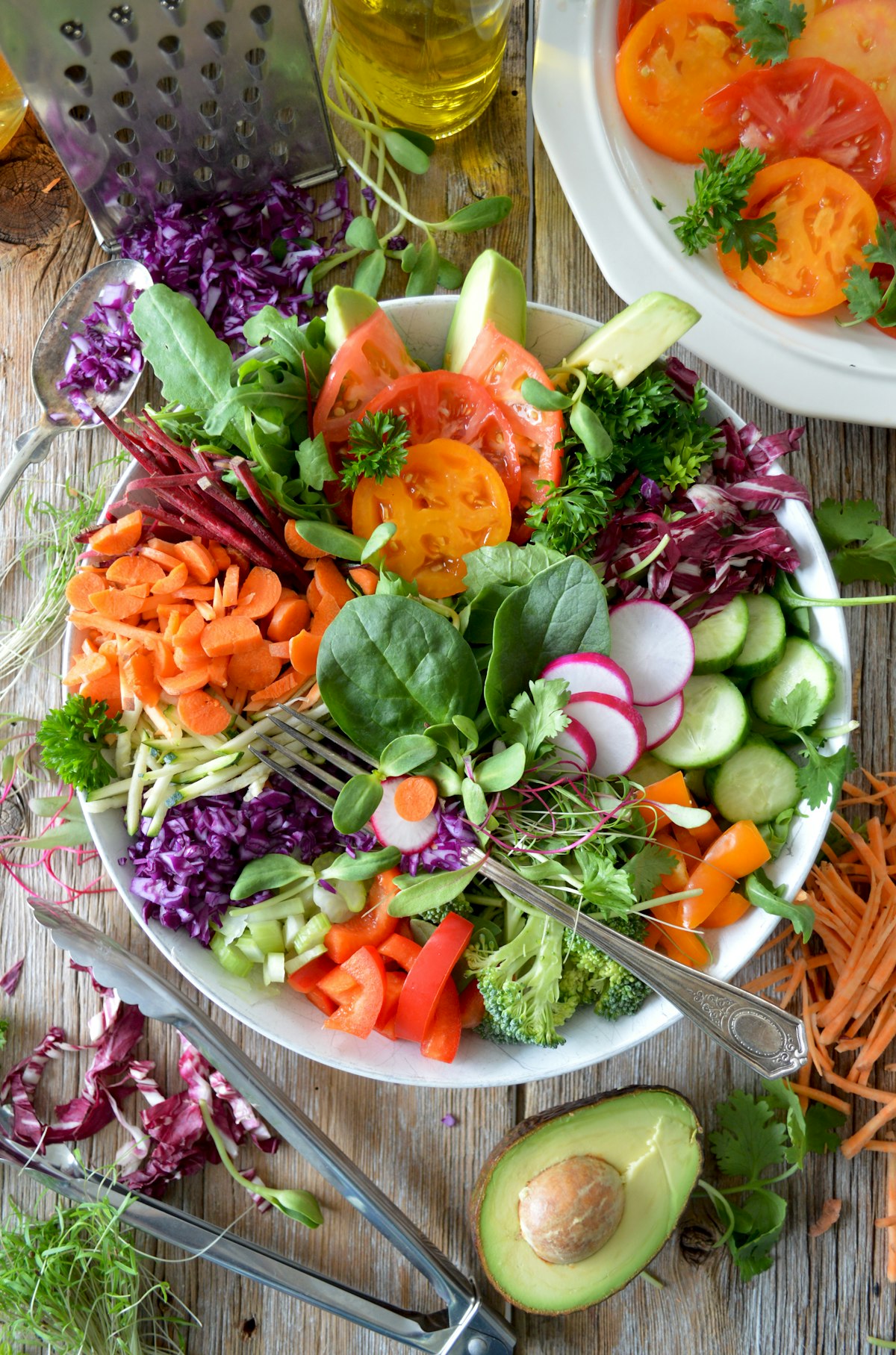
Your liver is your body's most hardworking organ — performing over 500 functions including filtering toxins, metabolizing fats, and producing bile. The "detox tea" industry sells a $5 billion lie. Real liver support comes from these 10 foods backed by clinical research.
Why Your Liver Needs Nutritional Support
Non-alcoholic fatty liver disease (NAFLD) now affects roughly 25% of the global population — making it the most common liver disorder worldwide. Poor diet, excess alcohol, processed foods, and environmental toxins all burden the liver over time. The liver can regenerate, but only if you give it the right raw materials.
1. Milk Thistle Tea
Silymarin — the active complex in milk thistle — is the most extensively researched natural compound for liver protection. It reduces liver inflammation, prevents toxin binding to liver cell membranes, and stimulates liver cell regeneration. Over 30 clinical trials confirm its hepatoprotective effects. Available as tea, capsule, or tincture.
2. Garlic
Garlic activates liver enzymes that flush out toxins, and is rich in allicin and selenium — two compounds that protect the liver from oxidative damage. Studies show regular garlic consumption significantly reduces liver fat in NAFLD patients. Two to three raw cloves daily provides therapeutic benefit.
3. Grapefruit
Grapefruit contains naringenin and naringin — antioxidants shown in animal and human studies to reduce liver inflammation and protect against damage. Naringenin also helps the liver burn fat rather than store it. One caveat: if you take medications, check interactions first as grapefruit inhibits CYP3A4 enzymes.
4. Beetroot
Beets contain betalains — pigments with powerful antioxidant and anti-inflammatory properties shown to reduce liver damage markers in clinical studies. Beetroot juice specifically has been found to increase natural detoxification enzymes and reduce oxidative stress in liver tissue. 250ml of juice daily is the studied dose.
5. Brussels Sprouts & Broccoli
Cruciferous vegetables increase the liver's natural detoxification enzyme levels — specifically glutathione S-transferase and glucuronidation enzymes. A University of Illinois study found that eating broccoli regularly prevented fat buildup in the liver. Steam lightly to preserve sulforaphane content.
6. Turmeric
Curcumin reduces liver inflammation by suppressing NF-κB and TNF-alpha. Multiple RCTs show curcumin supplementation significantly reduces ALT and AST — the key liver enzyme markers of damage. Always combine with black pepper (piperine) to increase absorption by 2,000%.
7. Green Tea
EGCG in green tea has been shown in multiple studies to reduce liver fat, lower liver enzymes, and decrease inflammation. A 12-week trial found 500mg of green tea extract daily significantly improved liver function markers in NAFLD patients. Three to four cups of brewed tea daily is equivalent.
8. Olive Oil
Extra-virgin olive oil has been shown to reduce liver fat accumulation and improve insulin sensitivity — both critical for liver health. The oleic acid in olive oil reduces liver enzyme levels and inflammation. Two tablespoons daily as part of a Mediterranean-style diet provides measurable liver benefit.
9. Blueberries & Cranberries
Both berries contain anthocyanins shown to protect against liver damage and increase antioxidant enzymes in liver tissue. Animal studies show blueberry extract prevents liver fibrosis. Human studies show cranberry consumption reduces liver inflammation markers. One cup daily of either berry delivers protective benefit.
10. Fatty Fish
Omega-3 fatty acids reduce liver fat and inflammation in NAFLD — one of the most consistent findings in liver research. EPA and DHA also improve insulin sensitivity and reduce triglycerides, relieving the liver of excess fat processing burden. Two servings of salmon, sardines, or mackerel weekly is the target.
The Bottom Line
Liver health is built over months and years, not days. The 10 foods above consistently show up in clinical research as genuinely hepatoprotective. Add 2–3 of them to your daily diet, eliminate processed foods and excess alcohol, and your liver will do what it's designed to do — remarkably well.
⚕️ For informational purposes only. Consult a healthcare professional before making dietary changes, especially if you have liver disease.